
Strategic Disaster Preparedness for Grocery Chain Operations
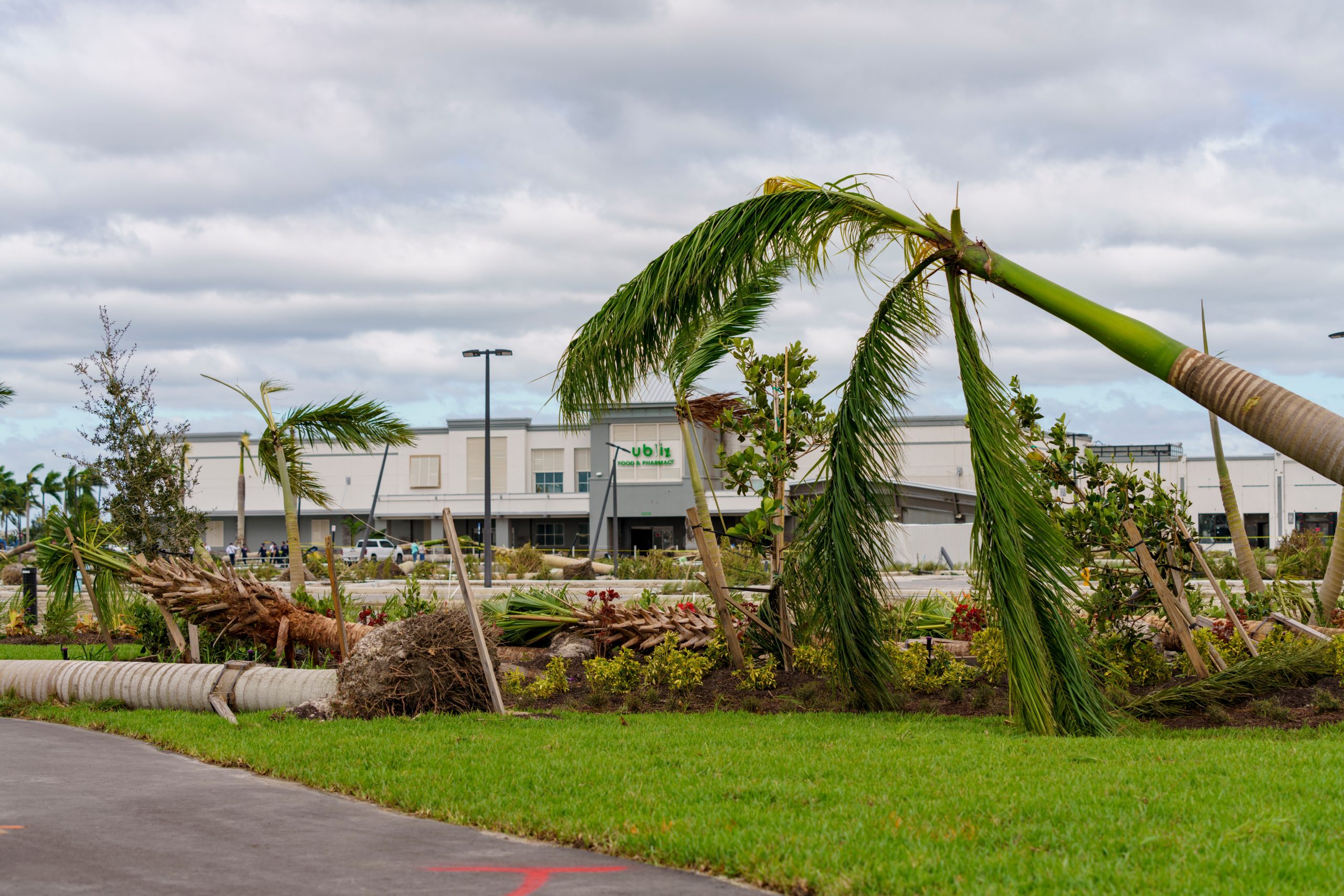
When Hurricane Helene swept through the Southeastern U.S. in September 2024, grocery stores became the heartbeat of community recovery. While residents lined up for essentials before the storm and desperately sought supplies afterward, many chains discovered their disaster recovery planning for grocery stores extended little beyond basic inventory management. The reality is stark: natural disasters are becoming both more frequent and more costly, with the U.S. sustaining 403 weather and climate disasters exceeding $1 billion each since 1980 — totaling over $2.9 trillion in damages.
The financial impact continues accelerating. Over just the last five years (2020–2024), disaster costs reached $746.7 billion, while the Congressional Budget Office estimates that hurricane winds and storm-related flooding alone cause $54 billion in annual economic losses. For grocery chains operating across disaster-prone regions during the June-through-November storm season, these aren’t just statistics — they’re a preview of inevitable challenges.
The stakes extend beyond immediate revenue protection. Grocery stores that quickly restore operations after disasters strengthen community resilience while gaining competitive advantages over slower-recovering competitors. Effective disaster recovery planning for grocery stores transforms potential catastrophes into manageable challenges with clear response protocols.
Ready to Disaster-Proof Your Grocery Operations? Connect with our team today to develop comprehensive disaster recovery strategies that protect your stores and serve your communities.
Essential Steps for Grocery Store Disaster Recovery Planning
Step 1: Conduct Comprehensive Facility and Asset Assessments
Begin with thorough evaluations of all physical assets across your grocery chain locations. Document every element that supports operations — from exterior signage and parking lot lighting to interior refrigeration systems and emergency equipment. This comprehensive inventory becomes your roadmap for both protection and recovery efforts.
Assess structural vulnerabilities specific to your region’s disaster risks. Coastal locations require hurricane-specific preparations, while tornado-prone areas need different protective measures. Document electrical systems, backup power capabilities, and critical infrastructure dependencies that could impact food safety during extended outages.
Include detailed brand asset inventories as part of your assessment process. Catalog signage conditions, lighting systems, and customer communication displays. This documentation proves invaluable when insurance claims require proof of pre-disaster asset conditions and helps prioritize replacement during recovery phases.
Step 2: Develop Emergency Signage and Communication Protocols
Plan comprehensive customer communication strategies for various disaster scenarios. Develop protocols for real-time updates about store hours, available services, and safety information during emergencies. Digital displays offer flexibility for immediate updates, while backup communication methods ensure message delivery during power outages.
Create specifications for quick-deploy emergency signage that can redirect customers to alternate locations or communicate service limitations. These temporary solutions maintain customer connections during the critical transition period between initial damage and full restoration.
Step 3: Establish Backup Power and Lighting Solutions
Refrigeration continuity represents the highest priority for grocery operations during power outages. Develop comprehensive backup power strategies that protect perishable inventory while maintaining essential lighting for customer and employee safety.
Plan generator connections and electrical load management systems that can sustain critical operations during extended outages. Modern LED lighting systems reduce power demands on backup systems while providing superior illumination quality compared to traditional alternatives.
Integrate preventive maintenance programs for all electrical and lighting systems to ensure reliability when disasters strike. Regular inspections and proactive repairs prevent minor issues from becoming major failures during critical moments when backup systems must perform flawlessly.
Step 4: Create Rapid Restoration and Repair Protocols
Pre-establish relationships with restoration vendors who can respond immediately after disasters. Develop priority repair sequences that restore safety systems first, followed by refrigeration, customer access, and full operational capabilities.
Maintain detailed vendor contact lists with 24/7 emergency response capabilities. Include multiple vendors per region to ensure availability when disasters affect large geographic areas simultaneously. Verify that chosen vendors maintain adequate equipment and personnel to handle multiple location emergencies.
Step 5: Plan for Temporary Operations and Brand Continuity
Develop contingency plans for extended closures that might require temporary or mobile grocery solutions. Partner with vendors who can provide modular facilities or mobile units that maintain essential services while permanent repairs occur.
Plan temporary branding and signage solutions that maintain your brand presence during recovery phases. Consistent visual identity reassures customers and communities that your commitment to serving them remains strong despite physical challenges.
Build Resilient Operations with Expert Partners
Effective disaster recovery planning for grocery stores requires more than good intentions — it demands experienced partners who understand the unique challenges of maintaining food retail operations during and after catastrophic events. The complexity of coordinating multiple locations, managing perishable inventory, and serving community needs during crises requires specialized expertise and proven response capabilities.
At Stratus, we partner with grocery chains nationwide to develop comprehensive disaster preparedness strategies that protect both operations and brand presence. Our 24/7 emergency response capabilities, nationwide field partner network, and expertise in brand maintenance ensure your stores can weather any storm while serving your communities when they need you most.
Ready to strengthen your grocery chain’s disaster preparedness? Contact our team today to develop a comprehensive disaster recovery plan that protects your operations, preserves your brand, and keeps your communities fed when it matters most.