
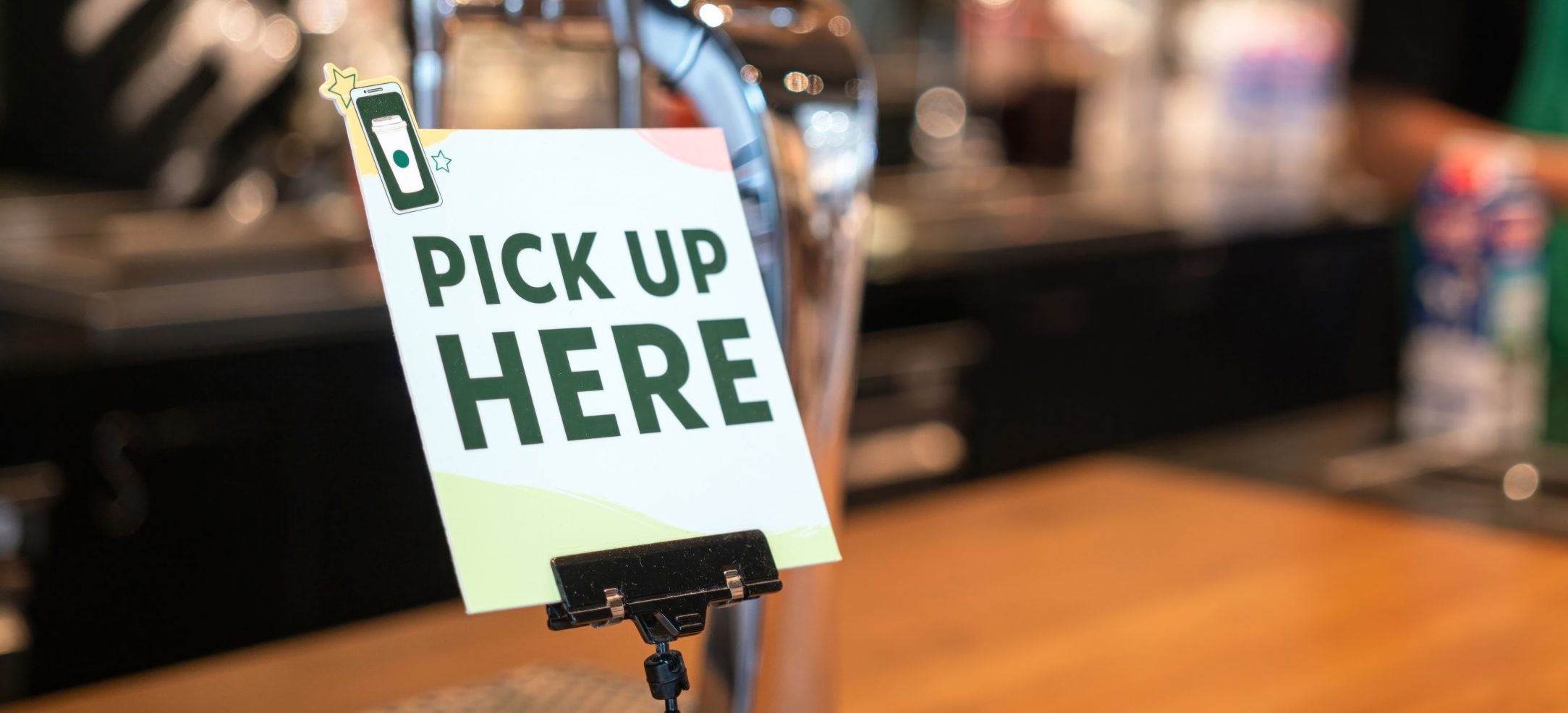
Modern Restaurants Need Mobile Pick Up Plans, and More
The surge in third-party delivery and pickup orders that began during COVID has fundamentally altered modern restaurant operations, making dedicated delivery stations a permanent fixture rather than a temporary adaptation. Today’s successful restaurants — from fast food and quick serve to casual dining — recognize that well-designed pickup and delivery areas directly impact order accuracy, operational efficiency, and customer satisfaction across all service channels.
However, many restaurants struggle with delivery stations that create bottlenecks, confusion, and operational stress during peak hours. Poorly planned stations can disrupt dine-in service, slow order fulfillment, and frustrate both staff and delivery drivers. The solution lies in implementing proven design strategies that optimize space, streamline workflows, and create seamless pickup experiences.
At Stratus, we’ve helped restaurant brands nationwide implement comprehensive delivery station solutions through our integrated approach to interior branding, wayfinding systems, and refresh and rollout services. Our experience shows that successful delivery stations require strategic planning that balances operational efficiency with brand consistency.
Ready to Optimize Your Restaurant’s Delivery Operations? Connect with our team today to discover how strategic design and signage solutions can transform your delivery station into a competitive advantage.
On the Go: 5 Delivery Station Design Best Practices
1. Strategic Location and Flow Planning
Position delivery stations near exterior doors but separate from main guest entrances to prevent cross-traffic conflicts. The ideal setup creates a dedicated pathway for delivery drivers that doesn’t intersect with dine-in customers or kitchen operations. Target courier door-to-door times under 90 seconds by designing one-way movement patterns: entry → pickup → exit.
Plan for corridors to accommodate two-way courier traffic, with a suitable amount of clear space in front of staging areas during peak periods. Consider curb interface needs by designating 10-15 minute pickup parking spaces or bike/scooter corrals within a short walk of the pickup entrance.
2. Technology Integration for Operational Efficiency
Implement unified order display systems that show all delivery channels — third-party apps and first-party orders — on a single screen with clear pickup status indicators. This centralized approach prevents confusion and ensures accurate order tracking across multiple platforms.
Install auto-printing label systems that include order numbers, customer names, item details, hot/cold indicators, and QR codes for quick verification. Strategic lighting solutions ensure clear visibility for order verification and accurate pickup, while proper electrical planning supports tablets, labeling equipment, and heated holding units.
3. Comprehensive Signage and Wayfinding Systems
Create clear directional pathways from courier entrances to pickup areas using high-contrast signage that’s clear even during busy periods. Exterior door decals should list supported delivery apps, while interior signage should organize order zones (A-F, G-L) for quick location identification.
Professional wayfinding solutions reduce confusion and speed pickup times by guiding drivers efficiently through your space. Consider digital displays that can be updated in real-time to communicate operational changes or special instructions.
4. Space Optimization Through Strategic Retrofits
Design flexible staging areas that can scale with order volume, planning for appropriate shelf space per active order during peak periods. Implement zone-based organization with dedicated areas for hot holding, ambient storage, and cold holding to maintain food safety standards.
Refresh and rollout capabilities enable restaurants to retrofit existing spaces efficiently, incorporating proper electrical infrastructure, ADA-compliant counters, and slip-resistant flooring for safety.
5. Operational Efficiency Through Systematic Design
Design stations that support clear role assignments, particularly designating Order Expediters during peak periods who own sealing, staging, and handoff processes. Implement color-coded organizational systems (hot=red, ambient=amber, cold=blue) that enable quick visual identification and reduce errors.
Plan for 15-minute “shelf sweeps” to clear completed orders and maintain organization during rush periods. Include adequate storage for bags, labels, utensils, and condiments within easy reach of staging areas. Consider security measures including overhead cameras at staging and handoff zones to protect both inventory and staff. Construction refresh services are vital here as they can repurpose existing space with the functionality needed to best serve those orders heading back out the door.
Implementation Strategies for Convenience Store Operations
Modern restaurant delivery stations represent an intersection of customer service, operational efficiency, and brand experience that can enhance, or detract, from a location’s success. When third-party drivers and first-party pickup customers can navigate your space quickly and accurately, it creates positive experiences that encourage repeat business while reducing staff stress during peak periods. The difference between a delivery station that enhances operations and one that creates bottlenecks lies in thoughtful design that anticipates real-world challenges.
At Stratus, our comprehensive approach to restaurant delivery station optimization includes strategic interior branding, professional wayfinding systems, and complete refresh services that transform challenging spaces into efficient operations. Our nationwide implementation capabilities ensure consistent quality across single locations or multi-site rollouts.
Ready to implement delivery station design best practices that drive results? Contact our team today.