
Explore Strategic Asset Evaluation for Multi-Location Retail Operations
Retail operations teams face a familiar dilemma: spend heavily on scheduled maintenance that replaces functioning components too early, or wait for failures that disrupt operations and create unpredictable repair costs. Neither approach optimizes resources or protects the customer experience that drives sales. Traditional reactive maintenance — fixing things only after they break — creates operational chaos across multi-location portfolios. Meanwhile, preventive maintenance often wastes resources replacing components that could operate safely for months longer.
Predictive maintenance for retail stores represents a fundamentally different approach, and a smarter path forward. By using data analytics, IoT sensors, and performance monitoring, predictive strategies identify asset degradation before failures occur. Research by McKinsey shows that companies implementing predictive maintenance can reduce maintenance costs by 18-25% while improving equipment availability by 5-15%. For multi-location retailers, this transforms asset management from location-by-location firefighting into portfolio-wide strategic planning.
However, implementation requires thoughtful evaluation. Not every asset benefits equally from predictive approaches, and investment must align with operational priorities. For retail operations considering this transition, three asset categories warrant careful evaluation based on their direct impact on brand perception, operational costs, and customer experience.
Ready to Transform Your Retail Asset Management? Connect with our team today to explore how predictive brand maintenance strategies protect your customer experience while optimizing operational costs.
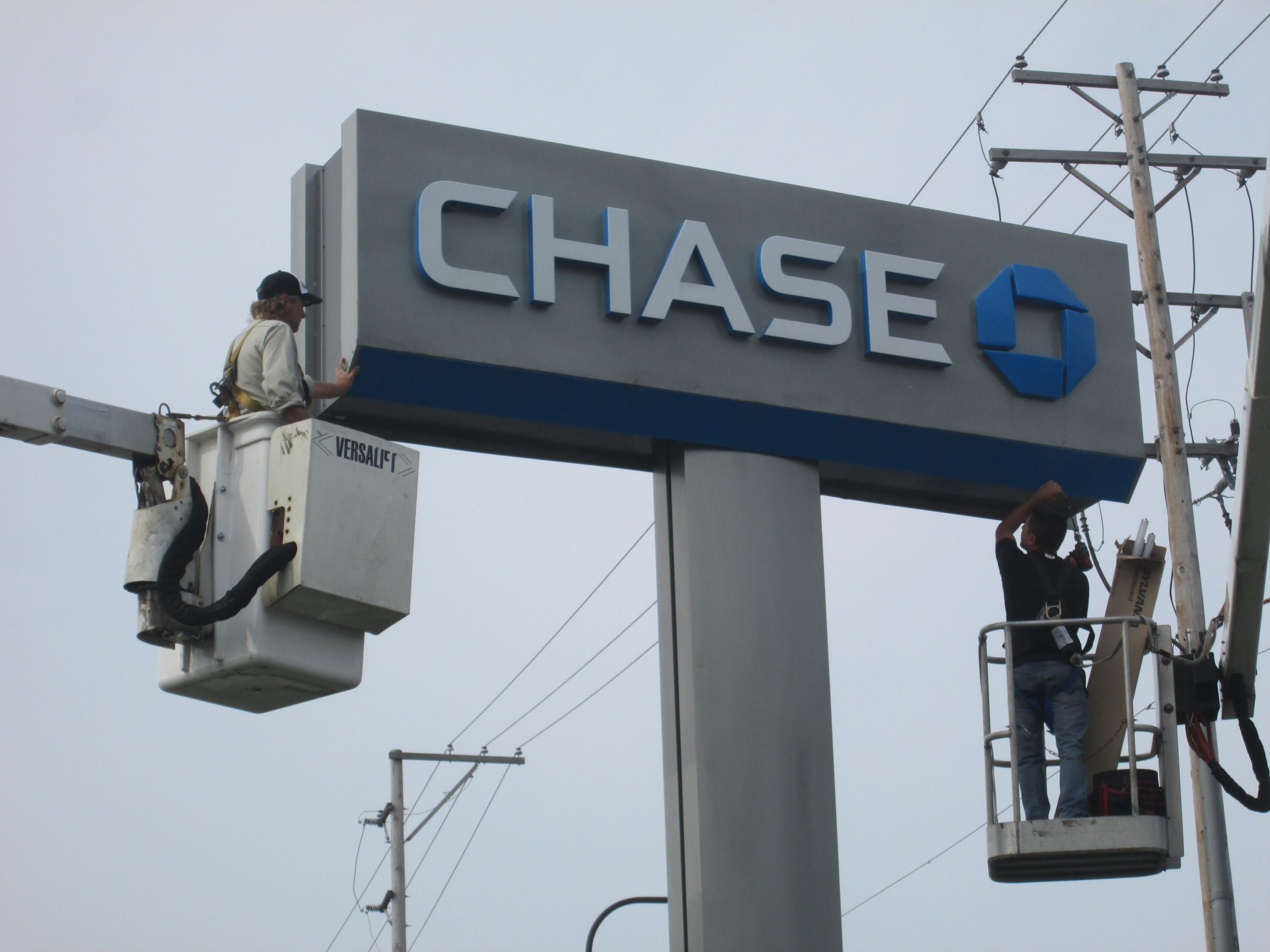
1. Exterior Signage Systems: Your 24/7 Brand Ambassador
Your exterior signage works around the clock to attract customers and communicate your brand identity. Research indicates that 76% of consumers have entered stores they’ve never visited based solely on signage, making these assets critical to customer acquisition and brand perception.
What to Evaluate for Exterior Signage Predictive Maintenance
Illumination system performance: LED signage systems provide extensive performance data that enables predictive monitoring. Gradual dimming patterns, electrical load changes, and driver performance degradation all signal impending failures long before signs go completely dark. Modern LED systems generate analytics that predict replacement needs 30-60 days in advance, enabling coordinated interventions rather than emergency calls.
Structural integrity indicators: Weather exposure gradually degrades mounting systems, electrical connections, and structural components. Predictive monitoring tracks these degradation patterns through regular inspections augmented by environmental data correlation.
Multi-location monitoring capabilities: The true power emerges when implemented portfolio-wide. Centralized monitoring platforms track performance across all locations, identifying patterns that single-site approaches miss. For example, signage in coastal markets may require different maintenance cycles than inland locations due to salt air exposure — insights that only emerge from comprehensive data analysis.
2. Energy and Lighting Systems: The Hidden Cost Center
Lighting represents one of retail’s largest controllable operational expenses, typically accounting for 20-40% of total energy consumption. Unlike reactive maintenance that waits for complete lighting failures, predictive approaches identify efficiency degradation and component wear that silently inflate energy costs months before outages occur.
What to Evaluate for Energy and Lighting Predictive Maintenance
Consumption pattern analysis: Modern energy management systems track usage patterns that reveal anomalies indicating component degradation. IoT sensors continuously monitor temperature, vibration, and electrical load, sending real-time data to analytics platforms that identify subtle changes and predict maintenance needs before they impact operations or significantly inflate costs.
Lumen output monitoring: Light levels degrade gradually as fixtures age, often imperceptibly to store staff but measurably through photometric analysis. Predictive strategies establish baseline illumination standards and track degradation curves, enabling proactive replacement that maintains consistent customer experiences while optimizing timing.
Component failure prediction: Ballasts, drivers, and control systems generate performance data indicating impending failures. Voltage fluctuations, thermal cycling patterns, and operational irregularities all serve as predictive indicators, enabling targeted component replacement rather than complete fixture replacement.
When analyzing potential LED retrofit programs, predictive maintenance data quantifies current waste, projects future degradation costs, and calculates precise ROI — transforming energy projects from capital expenses into data-driven strategic investments.
3. Digital and Interior Branding Elements: The Customer Experience Factor
While exterior signage attracts customers, interior branding elements shape their actual shopping experience and purchase decisions. Studies indicate that well-executed interior signage can increase sales by up to 30%, making these assets direct revenue drivers rather than passive brand elements.
The challenge intensifies across multi-location portfolios where brand consistency defines customer expectations. Shoppers increasingly move between locations and online channels, expecting uniform experiences regardless of where they engage your brand. Degraded graphics, malfunctioning digital displays, or inconsistent wayfinding at any location damages perception of your entire brand.
What to Evaluate for Interior Branding Predictive Maintenance
Digital display performance: Digital signage systems provide extensive diagnostic data, predicting failures and performance issues. Pixel degradation patterns, thermal management metrics, and content delivery analytics all serve as predictive indicators. For retailers with digital menu boards, promotional displays, or interactive kiosks across locations, centralized monitoring enables coordinated interventions that prevent customer-facing failures.
Graphics and vinyl condition: Physical graphics degrade through UV exposure, cleaning protocols, and customer contact. While less amenable to automated monitoring than digital systems, systematic inspection programs augmented by traffic pattern analysis predict replacement needs. High-traffic graphics near entrances require different maintenance cycles than back-of-store wayfinding elements.
Wayfinding system effectiveness: Beyond physical condition, interior signage effectiveness degrades as stores evolve. Product category relocations, seasonal resets, and format changes can render wayfinding systems obsolete. Predictive approaches correlate signage accuracy with store layout changes, triggering updates before customer confusion impacts sales.
For multi-location retailers, interior branding predictive maintenance serves dual purposes — preventing individual asset failures while maintaining portfolio-wide consistency.
Implementing Predictive Maintenance with Strategic Partners
Successfully transitioning from reactive to predictive maintenance requires more than technology — it demands partners with comprehensive capabilities across the asset categories that define retail operations. The complexity of managing exterior signage systems, energy infrastructure, and interior branding elements simultaneously creates powerful arguments for integrated approaches.
Single-source partners like Stratus deliver predictive maintenance advantages that multi-vendor approaches cannot match. Our comprehensive brand maintenance programs span all critical retail asset categories, enabling coordinated predictive strategies rather than fragmented monitoring.
The multi-location dimension amplifies these advantages. With 4,000+ field partners nationwide, we respond to predictive insights regardless of location, converting data into action across your entire portfolio. Centralized program management coordinates interventions, schedules strategic maintenance during optimal windows, and maintains consistent brand standards while predictive technologies identify opportunities.
Ready to evaluate predictive maintenance for your retail portfolio? Contact our team today to discuss how our comprehensive approach to retail brand maintenance can help you transition from reactive repairs to strategic asset management across all your locations.