
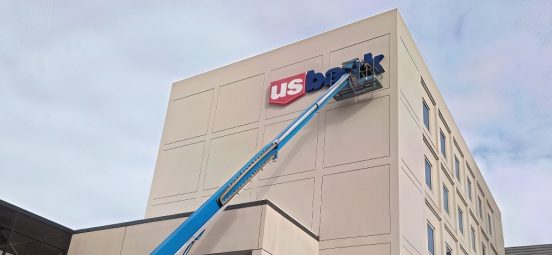
Strategic Signage Implementation for Successful Brand Transitions
When a brand changes hands — whether through acquisition or merger — one of the most visible signs of change is, quite literally, the signage. But transforming dozens or even hundreds of locations isn’t just about swapping out logos. It takes a smart, coordinated acquisition signage strategy to update these visual beacons in a way that reflects the new brand identity while keeping daily operations running smoothly. From aligning visuals with business goals to navigating real-world logistics, success lies in striking the right balance between consistency and practicality.
When executed properly, acquisition signage becomes more than just replacing old signs with new ones — it’s about creating seamless brand experiences that reassure customers during periods of change while establishing strong market presence for the acquiring brand. As one of the nation’s biggest and most accomplished brand implementation partners, Stratus helps navigate the signage challenges that arise when brands combine or acquire additional aspects.
Ready to Build a Better Brand? Connect with our team today to begin putting our brand implementation expertise to work for you.
1. Start with a Site Audit and Brand Assessment
Any successful acquisition signage strategy begins with conducting evaluations of existing signage at each acquired location. This critical first step determines what elements can be reused, what requires removal, and what must be newly fabricated from scratch.
During your assessment, evaluate visibility from key vantage points, compliance with current local ordinances, and alignment potential with your acquiring brand standards. Document structural mounting systems, electrical connections, and permit histories — this information proves invaluable during the conversion planning phase.
A thorough audit also identifies opportunities for value engineering. Some existing infrastructure may support new signage with minimal modifications, while other locations might require complete overhauls. Understanding these variables upfront enables accurate budgeting and realistic timeline development.
2. Partner with a Signage Provider Experienced in National Rollouts
Choose a partner that offers true turnkey services — permitting, prototyping, fabrication, installation, and comprehensive project management. The complexity of acquisition signage strategy demands vendors who can scale with your footprint while meeting compressed timelines that acquisitions often require.
Look for providers with demonstrated experience managing simultaneous implementations across multiple markets. They should maintain established relationships with local contractors, understand regional compliance requirements, and possess the logistical capabilities to coordinate materials and installation crews nationwide.
Your signage partner should also offer centralized program management with real-time visibility into progress across all locations. This level of coordination becomes essential when managing dozens or hundreds of location conversions while maintaining operational continuity.
3. Plan for Permitting and Local Variations
Every municipality operates under different signage regulations, and these variations can significantly impact conversion timelines. Partner with vendors who understand local codes, variance procedures, and landlord approval processes across your acquisition footprint.
Experienced providers maintain relationships with local authorities and understand common approval challenges before they become project delays. They can anticipate variance requirements, prepare comprehensive permit applications, and navigate approval processes efficiently.
4. Develop a Phased Rollout Plan
Sequence signage installation to align with broader store conversion timelines and operational requirements. Group locations by region, lease constraints, or customer traffic levels to streamline execution and maximize efficiency. A phased approach allows you to test and refine processes during initial installations, then apply lessons learned to subsequent phases. This methodology is a key component of a winning acquisition signage strategy and helps manage cash flow, resource allocation, and quality control across large acquisition portfolios.
5. Track and Measure Execution
Maintain centralized tracking systems that monitor signage status, budget performance, and completion timelines by location. Real-time visibility helps identify bottlenecks early and ensures accountability across teams and vendors. Effective tracking systems should capture permit status, installation schedules, quality inspections, and final completion documentation. This data proves invaluable for future acquisitions and helps optimize processes for better performance.
Regular reporting also enables proactive communication with stakeholders, from operations teams to executive leadership. When everyone understands project status and potential challenges, teams can collaborate more effectively to solve problems before they impact timelines.
A Winning Acquisition Signage Strategy Starts with Expert Partners
Successful acquisition signage strategies require more than good planning — they demand experienced partners who understand the complexities of multi-location brand implementation. The right approach combines comprehensive assessment, strategic planning, and flawless execution to create seamless brand transitions that strengthen customer connections.
At Stratus, we’ve helped leading brands navigate complex acquisition signage challenges through our comprehensive approach that includes strategic permitting, nationwide field networks, expert program management, and advanced tracking technology. Our experience with multi-location rollouts ensures your acquisition signage strategy delivers consistent results across every location.
Ready to develop a winning acquisition signage strategy? Contact our team today to discuss how we can help streamline your next acquisition with comprehensive signage solutions that align visual communication with operational excellence.