
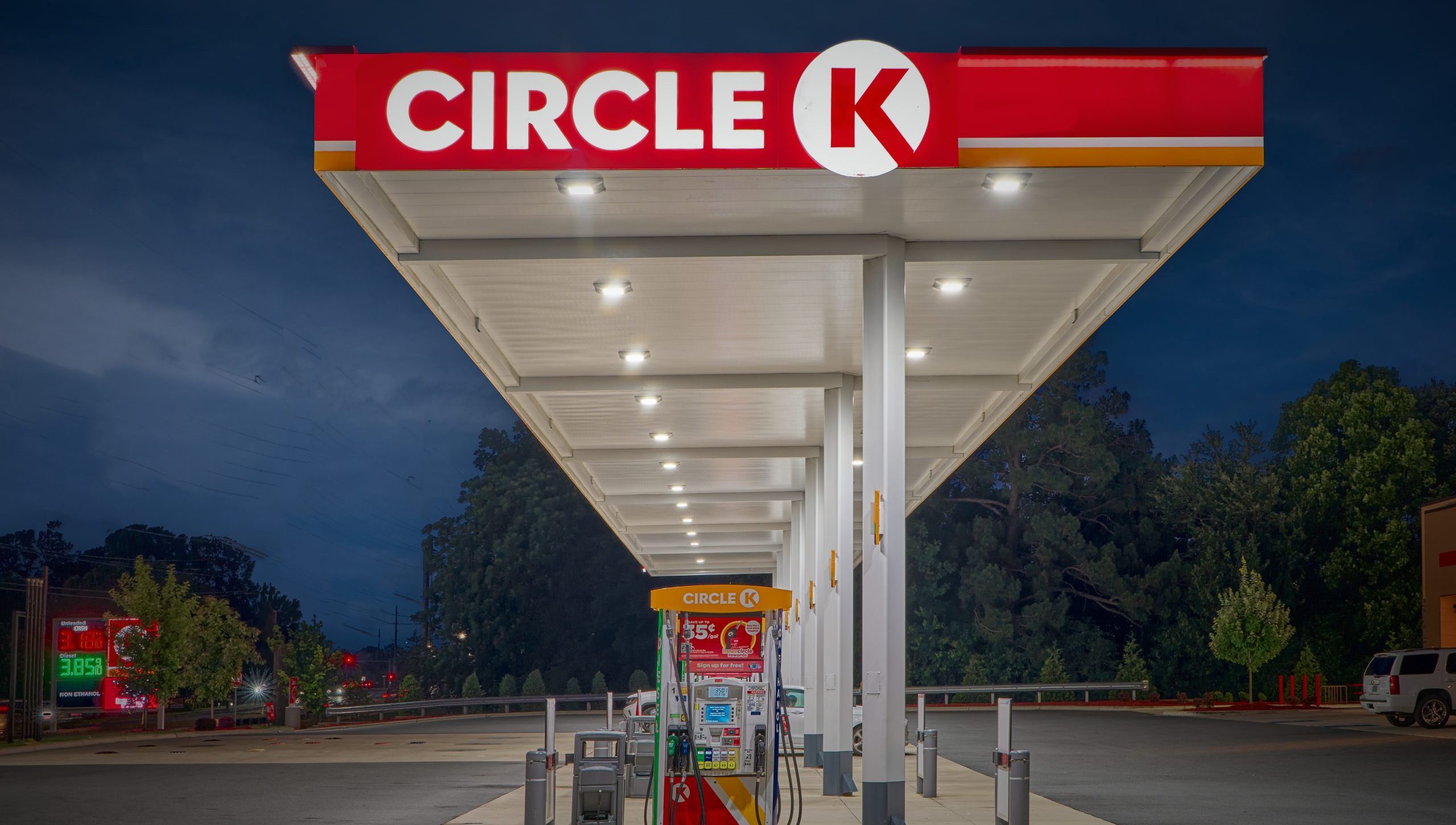
Rebuilding Gas Station Operations After Natural Disasters
The twisted metal canopy at a Texas gas station after the May 2024 derecho told a familiar story — another fuel stop knocked offline just when the community needed it most. As emergency responders rushed to restore power and clear debris, residents discovered that their usual refueling stations had become casualties themselves, with damaged canopies, shattered lighting, and compromised electrical systems forcing extended closures.
This scenario plays out with alarming frequency across America. Severe storms alone have caused $514.3 billion in damages since 1980, making them the most common billion-dollar disaster type we face. The pace is accelerating: Over the last decade (2015–2024), the U.S. has weathered 190 separate billion-dollar disasters totaling $1.4 trillion in damages. Recent years show the trend intensifying, with disaster costs averaging $149.3 billion annually — more than double the long-term average of $64.8 billion. It’s clear: Severe storms (including tornadoes and hurricanes) cause billions of damage across large swaths of the country each year, leaving countless gas stations struggling with recovery decisions.
For fuel retailers, these aren’t just sobering statistics — they’re a preview of inevitable operational challenges. Gas stations (and often the attached C-stores) occupy a unique position during disaster recovery, serving as critical refueling points for emergency responders, evacuation traffic, and cleanup crews. Yet their exposed canopy structures, elevated signage, and extensive lighting systems make them particularly vulnerable to wind and storm damage.
The difference between a quick recovery and weeks of lost revenue often comes down to preparation and response strategy. Smart operators recognize that post-disaster recovery isn’t a matter of “if” but “when,” and they develop systematic approaches for gas station canopy repair that prioritize safety while accelerating the return to full operations.
Need Dependable Storm Recovery Solutions? Connect with our team today to create the perfect plan to restore your gas station operations quickly and safely.
Essential Gas Station Canopy Repair and Recovery Steps
Conduct a Thorough Damage Assessment
Begin recovery efforts with comprehensive damage documentation across all facility elements. Examine structural components including bent or collapsed canopy columns, foundation cracks, and anchor bolt integrity. Assess roof panels, decking damage, and any signs of water infiltration that could compromise structural stability.
Document lighting fixture damage, broken or hanging elements, and electrical system exposure that could create safety hazards. Catalog signage and branding elements that are torn, detached, or compromised. Take detailed photos and notes from multiple angles — this documentation proves essential for insurance claims and contractor planning.
Hire Experienced Canopy Repair Contractors
Partner with contractors who specialize in gas station canopy repair and understand the unique compliance requirements of fuel infrastructure. These specialized contractors possess the expertise to navigate safety regulations, environmental considerations, and local building codes that govern petroleum retail facilities.
Verify that potential contractors maintain proper licensing, insurance coverage, and experience with similar projects. Request references from other gas station operators and confirm their ability to handle both structural repairs and integrated systems like lighting and signage. The complexity of gas station infrastructure demands contractors who understand how various systems interconnect.
Choose partners with proven capabilities in emergency response and accelerated project timelines. Gas stations lose revenue every day they remain closed, making speed of execution as important as quality of work. Experienced contractors can often provide temporary solutions that allow partial operations while permanent repairs continue.
Plan for Temporary Signage and Lighting Solutions
Maintain customer visibility and brand presence during extended repair periods through strategic temporary installations. Quick-deploy lighting solutions ensure safe customer access during evening hours while permanent electrical systems undergo restoration. Temporary signage maintains brand recognition and communicates operational status to passing traffic.
Consider modular signage systems that can adapt to changing operational conditions during the recovery process. As different facility areas come back online, signage needs evolve from basic “closed for repairs” messages to detailed service availability communications. Digital display solutions offer particular value during recovery periods, allowing real-time updates about fuel availability, operating hours, and service limitations.
Replace or Reinforce with Storm-Resistant Materials
Use repair opportunities to upgrade infrastructure with more resilient materials and systems. Wind-rated canopies, impact-resistant panels, and reinforced structural elements provide better protection against future storm events. These upgrades often qualify for insurance coverage and can reduce future premium costs.
Consider LED lighting upgrades that offer superior durability compared to traditional systems while reducing energy consumption and maintenance requirements. Modern LED systems better withstand impact damage and provide more reliable performance during power fluctuations common after storm events.
Evaluate anchoring systems and structural connections for enhancement opportunities. Upgraded fasteners, reinforced mounting points, and improved drainage systems can significantly improve facility resilience without major structural modifications.
Stay in Compliance with Local Regulations
Navigate permitting requirements for structural repairs and system upgrades before beginning work. Many jurisdictions require permits for gas station canopy repairs, electrical modifications, and signage replacements — especially when upgrades involve structural changes or expanded capacities.
Work with contractors who understand local regulatory environments and can expedite permit processes. Experienced partners maintain relationships with local authorities and understand which repairs require formal approvals versus routine maintenance classifications.
Execute Gas Station Canopy Repair with Expert Recovery Partners
Post-disaster gas station recovery demands more than basic repairs — it requires partners who understand the critical role these facilities play in community infrastructure. From comprehensive damage assessment and specialized contractor networks to temporary solutions and regulatory compliance, every element must work together to minimize downtime while ensuring long-term resilience. Experienced partners can often identify upgrade opportunities that improve facility performance while addressing storm damage, creating value beyond simple restoration.
At Stratus, we specialize in gas station and convenience store recovery through our comprehensive approach that includes emergency response capabilities, specialized contractor networks, and expertise in canopy repair, lighting restoration, and signage solutions. Our nationwide field partner network ensures rapid response regardless of location, while our permitting expertise manages regulatory requirements efficiently.
Need expert assistance with gas station canopy repair and recovery? Contact our team to develop a comprehensive restoration plan that gets your operations back online quickly while building resilience for future weather events.